Organ
For curious pianists, beginners, and church musicians. Build technique, explore repertoire, and grow in confidence at the console.
About organ study →Organ lessons · Norfolk, Virginia
A free, 30-minute introduction with Will Pearson at Larchmont United Methodist Church.
Explore the sounds, try the pedals, and see whether organ study is for you. No organ experience or commitment to weekly lessons needed.
You don’t need to own an organ to try an introduction. For enrolled students, practice access at Larchmont United Methodist Church may be arranged, subject to the church schedule. We’ll discuss your options before you commit to lessons.
No organ experience is needed. Some piano experience helps, but you don’t need to be an advanced pianist to try the introduction. If you’re new to keyboards, mention that in your request so we can discuss a starting point.
We’ll talk about your goals, a suitable starting point, practice arrangements, and lesson times. If you’d like to continue, we’ll agree on a regular lesson time. There’s no obligation to enroll.
For curious pianists, beginners, and church musicians. Build technique, explore repertoire, and grow in confidence at the console.
About organ study →Bring a sketch, a score, or the wish to write your first piece. In person or online, with a free introductory meeting.
Focused help with coursework, listening skills, or exam preparation. Individual paid sessions, in person or online.
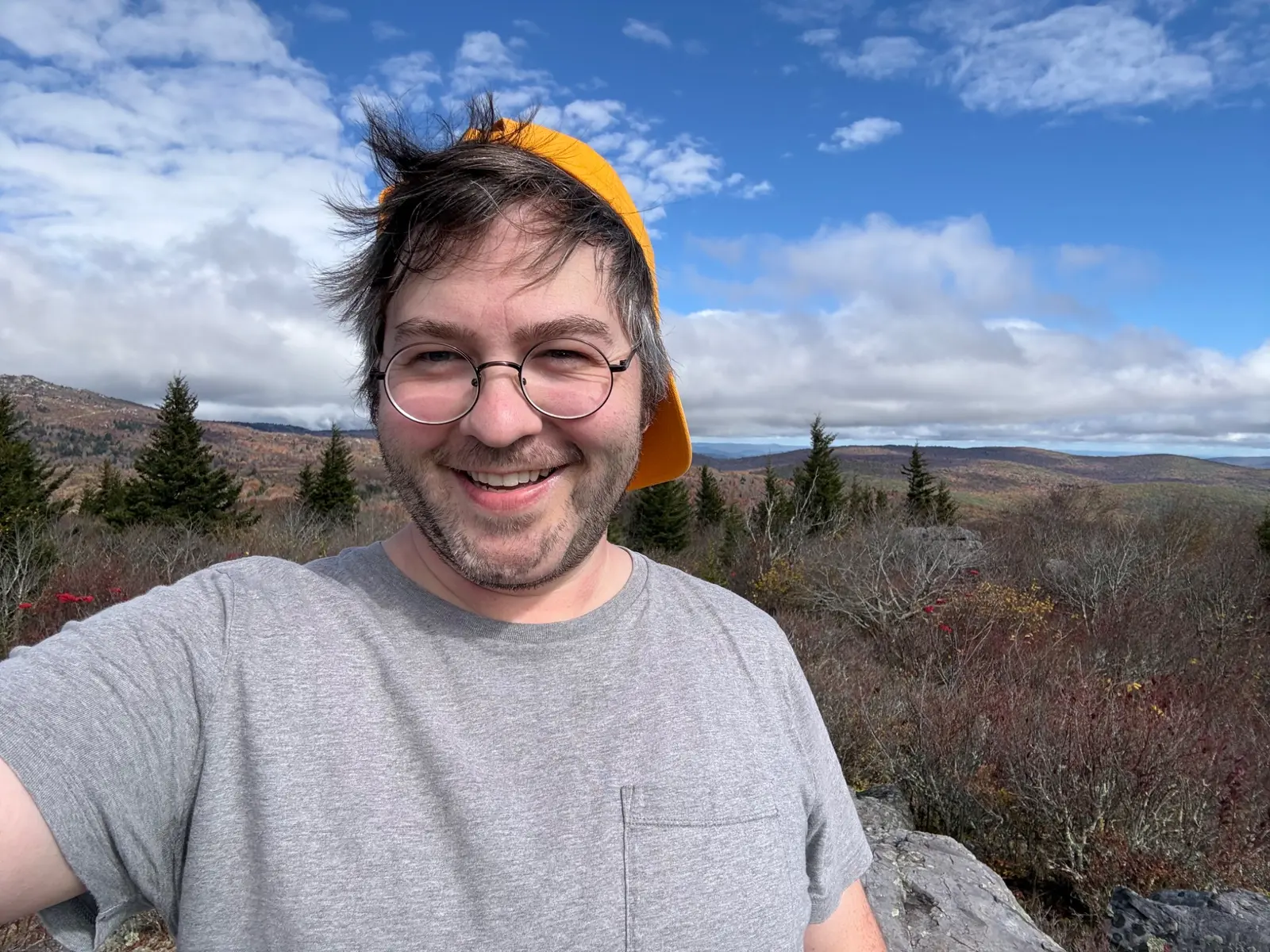
I’m a composer, organist, and Professor of Music and Coordinator of Music Theory and Aural Skills at Old Dominion University. I’m also the organist at Larchmont United Methodist Church. I’ve taught music for 14 years and played the organ for more than 25.
My work has always moved among performance, composition, improvisation, and music theory—areas I see as complementary parts of becoming a well-rounded musician.
My church-music experience began at age ten, when I joined the professional boy choir at the Cathedral of All Saints in Albany, home to one of the oldest boy-choir programs in the United States. I later served there as an organ scholar and have worked as a church organist since my early teens.
As a keyboard player, I perform a wide range of repertoire on organ, piano, and harpsichord, both in concerts and as an accompanist. I have performed harpsichord with the Virginia Symphony Orchestra. As Organist at Larchmont United Methodist Church, I play for services, accompany the choir, and improvise at the organ each week.
I have taught music theory, aural skills, composition, and improvisation at the college level for many years. I have also developed collaborative student programs, including DePauw University’s Contemporary Ensemble and Art Walk Interdisciplinary Festival, both of which I served as founding faculty advisor.
My own work as a composer includes acoustic and electroacoustic concert music as well as film scores for Aeon Magazine. I hold DMA and MM degrees in Composition and Music Theory from the University of Illinois Urbana-Champaign and a BMus in Composition from SUNY Purchase. I also studied organ performance and historical keyboards at the Eastman School of Music.
I live in Norfolk with my partner, Carly, and our dog—also named Carly. Outside music, I enjoy playing chess, watching NBA basketball, cooking, and making cocktails.
Weekly tuition covers 30 lessons from September through May, divided into nine equal monthly payments. That’s $45 per half-hour lesson, or approximately $80 per hour. Later starts are prorated; a 60-minute lesson can combine organ and composition.
The first 30-minute introduction is free for prospective organ and composition students. Summer lessons are arranged individually; books and materials are separate.
Where we meet. Organ lessons take place primarily at Larchmont United Methodist Church in Norfolk. Composition and theory are also available online.
Scheduling. Afternoons and evenings are the primary lesson times, with some weekend availability. For online lessons, you’ll need a reliable connection and a device suitable for sharing scores and audio.
Changes to your schedule. Give at least 24 hours’ notice for a cancellation. Up to two makeup lessons are available per semester; if a timely makeup cannot be scheduled, a credit is issued. Emergencies are handled individually. Teacher cancellations are rescheduled or credited.
Ending lessons. Monthly tuition reserves your regular time. Please give 15 days’ written notice before ending lessons.
Read the complete studio agreement →